Context
meaning.love
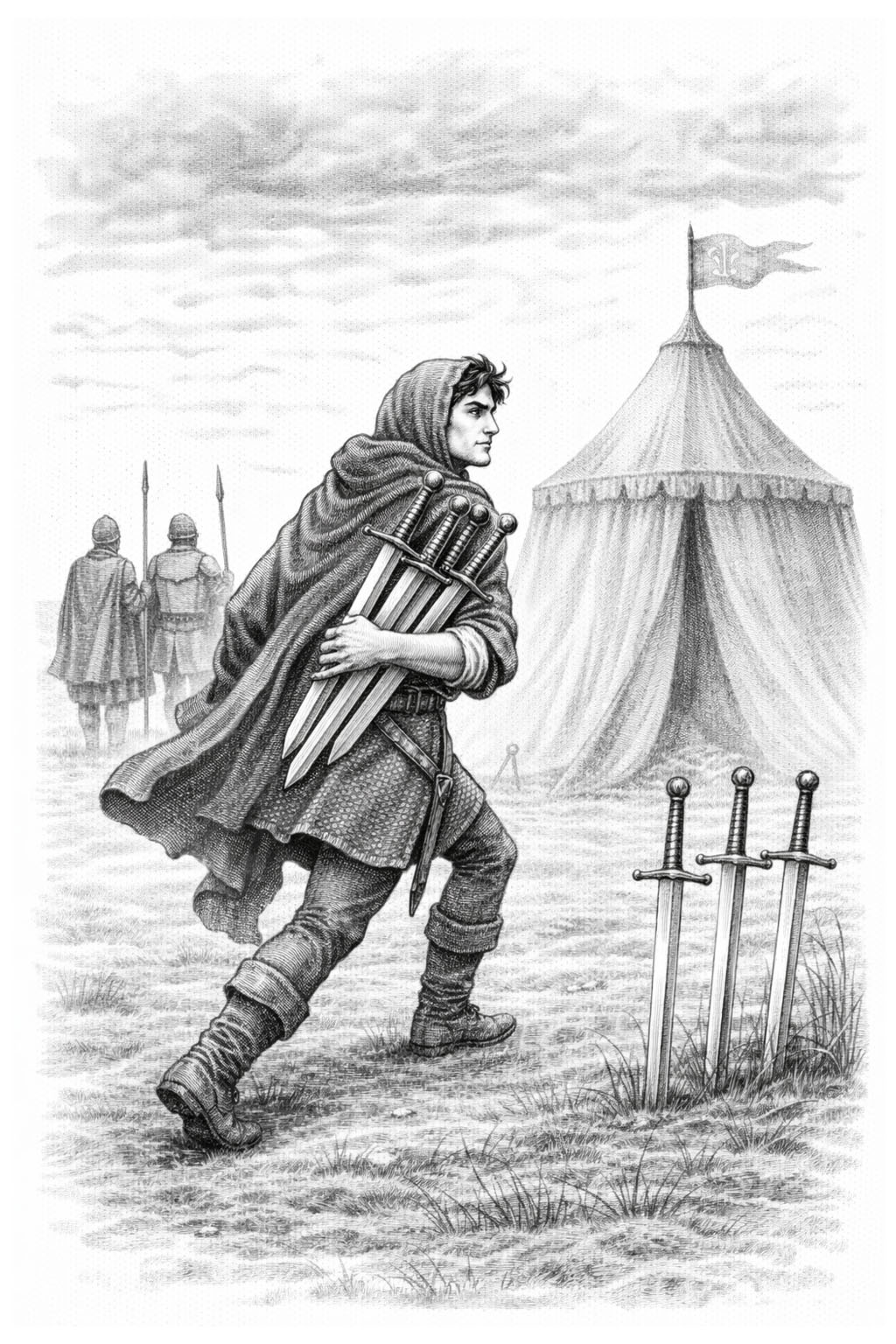
The Seven of Swords in a love context points to dynamics that involve strategy, discretion, avoidance or misaligned transparency rather than straightforward emotional exchange. It commonly signals that someone is acting independently of the shared story—keeping information to themselves, making plans without consulting their partner, or sidestepping direct confrontation. This card is not inherently about malicious intent; it can represent self-protective caution, fear of vulnerability, or a calculated attempt to preserve autonomy. Equally, it can indicate evasiveness, selective truth-telling, or a tendency to withdraw mentally when conflict feels risky.
When interpreting this card, consider motives and consequences: is secrecy being used to shield fragile feelings, or to manipulate outcomes? Is a withdrawal tactical, aimed at regrouping and solving a problem quietly, or does it erode trust by creating distance? In readings for singles, the card may reflect discreet behavior around attraction, hesitance to commit openly, or the need to reassess whether a pursuit is ethical. For partnered contexts, it highlights the importance of examining hidden dynamics, communication patterns, and where boundaries are unclear.
Analytically, the Seven of Swords invites questions rather than definitive answers. It encourages careful assessment of evidence, attention to underlying needs, and consideration of how transparency and accountability might alter the relationship landscape. In practical interpretation, correlate with surrounding cards and the querent’s circumstances to determine whether the card points toward strategic retreat, avoidance that requires addressing, or a call to negotiate clearer, more honest interaction.
meaning.job
The Seven of Swords in a career context emphasizes strategy, discretion and the use of intellect to navigate workplace challenges. As a Swords card, it relates to thinking, communication and tactics; the number seven adds a layer of resourcefulness and maneuvering rather than straightforward action. This card often points to situations where direct confrontation or conventional routes are avoided in favor of subtler, sometimes solitary approaches.
In professional settings it can indicate working behind the scenes, taking initiative without full authorization, or relying on clever problem-solving to bypass obstacles. It also flags the potential for ethically ambiguous behavior: cutting corners, claiming credit, withholding information, or protecting one’s own interests at the expense of transparency. Conversely, it can represent necessary stealth — protecting sensitive work, quietly gathering information, or using unconventional methods when standard procedures are ineffective.
Analytically, the card encourages examination of motives and consequences. Tactical choices that yield short-term advantage may carry reputational or legal costs; likewise, isolation and secrecy can limit collaboration and long-term opportunities. The Seven of Swords highlights a tension between effectiveness and integrity that is worth assessing rather than assuming one approach is inherently correct.
Practically, this means paying attention to documentation, contractual obligations and the ethical dimension of workplace decisions. Consider whether strategic discretion serves a constructive purpose or simply masks avoidance or unfair practice. Where possible, balance ingenuity with clear communication, align tactics with professional standards, and seek advice when uncertainty about boundaries or risks arises.
meaning.finance
In a financial context, the Seven of Swords commonly points to strategies and behaviors that involve discretion, avoidance, or indirect action. It often highlights situations where information is being withheld, transactions are carried out quietly, or unconventional methods are used to achieve an objective. The card does not pass moral judgment but draws attention to the dynamics of secrecy, clever maneuvering, and the potential gap between appearance and reality.
This card can indicate creative problem-solving and resourcefulness—finding nonstandard ways to balance books, protect assets, or pivot income streams without attracting attention. Conversely, it can signal short-term tactics that skirt rules or ethical norms, such as opaque accounting, hidden liabilities, unreported income, or reliance on temporary fixes rather than structural solutions. In partnerships and contracts it may surface issues around trust, undisclosed arrangements, or uneven disclosure of information.
Analytically, the Seven of Swords encourages close examination of motives, methods, and consequences. Verify documentation, review agreements, and assess whether discretion is serving a legitimate strategic purpose or masking risk. Consider the legal and reputational implications of any evasive tactic and weigh the durability of gains obtained through secrecy. Where uncertainty exists, consulting an appropriate professional—an accountant, auditor, or legal advisor—can help transform a clever workaround into a compliant, sustainable plan.
meaning.family
The Seven of Swords in a family context highlights dynamics of secrecy, avoidance, and tactical problem-solving. It points to situations where someone keeps plans or information to themselves, makes unilateral choices, or sidesteps direct confrontation. This can take the form of withheld facts about finances, quiet departures and arrivals, emotional withdrawal, or attempts to resolve issues by stealth rather than discussion. The card also captures a pragmatic, independent streak: finding clever workarounds or protecting privacy when open negotiation feels risky.
Viewed analytically, the card invites examination of motives and consequences. Secrecy can temporarily reduce conflict or preserve autonomy, but it also risks eroding trust and creating long-term misunderstandings. Conversely, a family member’s discreet approach may be a protective response to perceived judgment or lack of safe communication channels. The ethical dimension matters: weighing short-term gains against potential harm and considering alternatives to covert action is central.
As a point of reflection, the Seven of Swords encourages assessment of what is being guarded and why, and whether clearer agreements or boundaries might serve the family better. Repairing trust usually requires acknowledgement of the impact, openness about intentions, and negotiated adjustments to roles or expectations. Balancing strategic thinking with transparency offers a pathway to maintain both individual needs and collective stability.
meaning.mind
Sword Seven in the position of psychological state describes a mindset oriented toward evasion, strategic thinking, and guarded self-protection. The mental landscape is marked by furtive problem-solving: the person is inclined to rely on cunning, mental agility, and covert tactics rather than direct confrontation. This can show up as a readiness to bend rules, secrecy about intentions, selective disclosure, or an internal rationalization of choices that avoids moral or social scrutiny. Cognitive energy is focused on planning and outmaneuvering perceived obstacles rather than on transparent communication or emotional processing.
Emotionally, this state often carries tension between the desire for autonomy and underlying anxiety about exposure or consequences. There may be guilt, defensiveness, or mistrust toward others, producing isolation or an arms-length approach to relationships. Alternatively, the card can indicate intellectual detachment: thinking that privileges strategy over empathy, seeing situations primarily as problems to be solved rather than as interpersonal dynamics to be engaged with. Mental fatigue can follow from maintaining secrecy or juggling inconsistencies, and small deceptions can create cognitive dissonance that undermines inner coherence.
From a practical, psychological viewpoint, awareness of these features is useful. Observing the motivations behind evasive behavior—fear of loss, need for control, shame, or a habit of avoidance—helps clarify whether strategy is adaptive or self-sabotaging. Where the emphasis on stealth is protective in the short term, it can also limit trust and long-term collaboration. Where it functions as habitual avoidance, exploring more direct communication, accountability, and integration of emotional material can reduce cognitive load and align actions with values.
meaning.soul
The Seven of Swords, in the register of inner life, describes a mental stance marked by evasiveness, strategic thinking and divided loyalties. As an emotional pattern it often manifests as a tendency to avoid confrontation, to plan secretive maneuvers, or to rationalize actions that feel morally ambiguous. Thoughts can be furtive and anxious, focused on escaping responsibility or preserving autonomy rather than facing an issue directly. This can produce a low-level tension: cleverness and resourcefulness sit next to guilt, isolation or a sense of being misunderstood.
Cognitively, this card can point to defensive thinking styles—intellectualization, minimization, selective attention, and self-justifying narratives that keep uncomfortable feelings at a distance. It may also signal heightened vigilance and distrust, an orientation toward covert problem-solving rather than transparent collaboration. In its more constructive register, that same mentality can show adaptability, creative planning and the capacity to find unconventional solutions when conventional routes are blocked.
For reflective work, the Seven of Swords invites examination of motive and consequence: are secrecy and maneuvering serving a genuinely protective need, or are they preventing repair, growth and honest connection? Noting where avoidance appears, and exploring what is feared if one were more open, can clarify whether to cultivate discretion and strategic thinking or to shift toward accountability and integration.